Thursday, December 27, 2012


Friday, November 23, 2012
All You Wanted to Know about Children Vaccines

Parents are constantly concerned about the health and safety of their children and take many steps to protect them. Disease prevention is the key to public health. It is always better to prevent a disease than to treat it. Vaccines work to protect infants, children, and adults from illnesses and death caused by infectious diseases. With the advent of a variety of effective childhood vaccinations, we now have a low rate of numerous fatal childhood diseases
Facts• Ideally, one should follow immunization schedule, but in case baby is brought late for vaccination, she should still receive all vaccines.
• Do not disturb vaccination schedule on a mild cold and cough.
• Oral polio vaccine is being extensively used in India under the pulse polio immunization (PPI) programme.
• Some vaccines are less effective, like BCG has reduced efficacy in providing protection against lung TB. But it provides 70-80 % protection against dreaded brain TB.
• Do not disturb vaccination schedule on a mild cold and cough.
• Oral polio vaccine is being extensively used in India under the pulse polio immunization (PPI) programme.
• Some vaccines are less effective, like BCG has reduced efficacy in providing protection against lung TB. But it provides 70-80 % protection against dreaded brain TB.
Immunization Schedule
| Age | Vaccine |
| Birth | BCG Zero dose, Oral Polio Vaccine- Zero dose, Hepatitis B-Zero dose |
| 6 weeks | DPT Ist dose, OPV –1st dose, HIB, Hepatitis B-1st dose |
| 10 weeks | DPT—2nd dose, HIB, OPV-2ndd dose |
| 14 weeks | DPT—3rd dose, HIB, Hepatitis B, Oral Polio Vaccine-3rd dose |
| 9 months 15 months | Measles MMR |
| 16-18 months 2 years | DPT-1st booster dose, HIB- 1st Booster dose, OPV- 4th dose Typhoid (re-vaccination every 3 years) |
| 5 years | DPT-2nd Booster dose, OPV-5th dose |
| 10 years | Td (More amount of Tetanus with less amount of Diptheria), Hepatitis B—booster dose |
| 16 years | Td (More amount of Tetanus with less amount of Diptheria) |
* (According to I A P-Indian Academy of Paediatrics)
Vaccines, which can be given after discussion with parents:
• Pneumoccal vaccine (to prevent Pneumonia, meningitis) at the age of 6 weeks.
• Chicken pox vaccine at the age of 15 months.
• Hepatitis A vaccine at the age of 18-24 months.
• Injectable Polio vaccine—2 doses starting at 8 weeks with gap of 8 weeks between 2 doses and booster at the age of 15-18 months.
• Flu vaccine at 6-8 months age
• Rota Virus vaccine (Oral vaccine to prevent Diarrhoea, introduced in markets in July 2008)—3 doses at 1 month interval at 6 weeks age
•Cervical cancer vaccine in girls when they are 10.
• Pneumoccal vaccine (to prevent Pneumonia, meningitis) at the age of 6 weeks.
• Chicken pox vaccine at the age of 15 months.
• Hepatitis A vaccine at the age of 18-24 months.
• Injectable Polio vaccine—2 doses starting at 8 weeks with gap of 8 weeks between 2 doses and booster at the age of 15-18 months.
• Flu vaccine at 6-8 months age
• Rota Virus vaccine (Oral vaccine to prevent Diarrhoea, introduced in markets in July 2008)—3 doses at 1 month interval at 6 weeks age
•Cervical cancer vaccine in girls when they are 10.
There is no vaccine available for cholera, malaria or dengue. Unless we eliminate the diseases, it is important to keep immunizing. If the protection is taken away without getting rid of the disease, more and more people will get infected and fall prey to diseases.
—–Dr. Shekhar Vashisht, Consultant, Paediatrics, Moolchand Medcity
7 Ways You Can Keep Your Child Warm in Winter
 Its winter time and your biggest worry is how to keep your little one unaffected by the bitter cold. Frightful winter temperatures can expose children to fever, cold, frostbite, and other dangerous illnesses. Dressing your children properly and warmly will allow them to play outside, while staying warm and dry and protected from harsh temperatures.
Here are a few valuable tips on how to keep your kid warm, without overheating:
- Layering is the key, as it provides adequate protection from cold. When taking your child outside in chilled weather, dress him up in multiple light, thin layers, instead of one heavy sweater. But do not over bundle him. The rule of thumb is when dressing your child add one additional layer of clothing than an adult would wear in the same weather.
- Make him wear clothes made of cotton, wool and fleecy fibre. Add mittens or gloves. Cap and socks are musts. Covering your child’s head and feet will keep his body temperature regulated.
- Make sure that your child remains as active as possible by playing games, going to the park, etc. And if it is too cold you can think of some indoor games and activities to keep him active.
- Keep little hands and feet dry as the body gets cold faster in wet clothes. Change diaper and undershirt frequently.
- Clean your baby’s skin with luke-warm water and use mild gentle baby soap. But before bathing him check for yourself to make sure that the water is neither too cold nor too hot. After the bath, apply the essential baby oils and light gentle cream to keep the skin soft and supple. If skin is dry, apply the cream twice a day. Include plenty of hot drinks and food.
- Do not over dress him while putting him to bed. A hot, sweaty baby will wake up sooner than a warm and comfortable baby. Also, do not cover him with blankets, quilts and pillows in the crib as it could smother him. If you must use a blanket to keep your baby warm, tuck the blanket under the mattress of the crib. Keep the blanket or quilt tucked only up to the baby’s chest, so that the face doesn’t get covered by the blanket.
- Put a hot water bottle under the bed to warm it up.
Its Time to Control Childhood Obesity
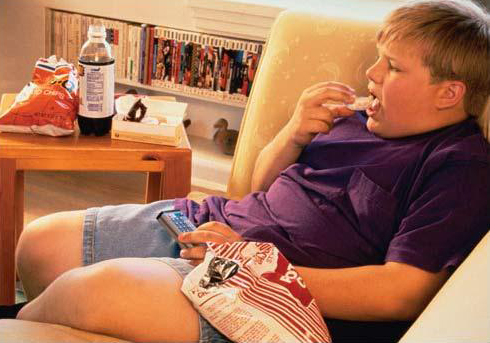
You don’t need a survey to track the rise in obesity among children. Only a visit to your kid’s school will be more than enough to get a clear picture. Children are becoming extra large these days! And the experts blame the marketing muscle exercised by fast food chains and quick serve restaurants for this. There is also a greater likelihood for plump kids to grow in overweight teens and finally as obese adults. Hence, it becomes imperative to curb childhood obesity.
Dr Atul Peters, Director, Institute of Bariatric, Metabolic & Minimal Access Surgery, Fortis Hospital, Shalimar Bagh, New Delhi tells you all about this dreadful disease that is complicating the young lives today. Read on to understand the obvious causes, the after affects as well as about the actions, as a parent, you can take.
When a child is ‘overweight or obese’
Kids fall into one of below given four categories:
• Underweight: BMI below the 5th percentile
• Normal weight: BMI at the 5th and less than the 85th percentile
• Overweight: BMI at the 85th and below 95th percentiles
• Obese: BMI at or above 95th percentile
• Normal weight: BMI at the 5th and less than the 85th percentile
• Overweight: BMI at the 85th and below 95th percentiles
• Obese: BMI at or above 95th percentile
To look for overweight, calculate BMI by dividing weight in kg by height in meters squared. For pounds and inches, divide weight by height squared and multiply the result by the conversion factor 703. When a child is above the normal weight for his or her age and height, he/she can be referred overweight.
What are the causes
Children become overweight and obese for a variety of reasons. However, the most common causes are:
Genes play a crucial part in the current obesity crisis as it helps determine body type and how your body stores and burns fat similarly as they help determine other traits.
Poor eating habits like consumption of high energy, nutrient poor foods which are high in simple sugar and unhealthy fats. When the baby is young, mothers tend to force feed their child with rich, creamy food, thinking that it will nourish their foundation. But in contrary, this lays the foundation for obesity in children. Moreover, as the child grows he also bombarded with the ads of hard sells junk food which again encourage unhealthy eating. Also if the adults in the family eat junk or unhealthy foods, it is not the child’s fault to give in to such temptation.
Lack of physical activity All TV and no play makes kids fatter day by day. Apart from the junk Too much of sedentary lifestyle is responsible for making our kids overweight. Earlier kids would hop and jump in the playground after coming from the school, but now they sit before the TV or watch re-runs of their favourite shows or play online games. Internet too sneaks in the lives of kids in the garb of research for homework, and in turn lessens the time spent on the playground. Moreover, popcorn, cakes, cookies and chips give kids company while they while away time online.
What parents can do
Encourage healthy eating habits. Include plenty of vegetables, fruits, whole-grain products, and low-fat or non-fat milk or dairy products. Choose lean meats, poultry, fish, lentils, and beans for protein. Encourage to drink at least 8 ounce of water a day. Fruits must be served in appetizing manner in between meals. To develop interest, involve your kids in menu planning, buying grocery and cooking.
Restrict calorie-rich temptations like chocolates, chips, ice creams and other high-fat and high-sugar, or salty snacks. Teach them the difference between healthy foods and junk foods and try adding tasty fruit and vegetable recipes such as a medium-size apple, a medium-size banana, 1 cup berries or grapes. You can allow them to eat their temptations at times in moderations a truly treats.
Watch portion sizes and make them understand the concept of balance diet, different nutrients and their functions in our body. Our plates have become bigger over the years, and we are often guilty of piling them high with food. Generally, vegetables should fill over half the plate for you too.
Eat together as often as possible. Not only is it more fun, but studies have shown that children who regularly eat with their parents consume more fruit and vegetables, and are usually less likely to be overweight.
Make them participate in at least 60 minutes of moderate physical activity daily. Include brisk walking, playing tag, rope jumping, playing soccer, swimming or dancing, etc. in your own daily routine to encourage your child to join you.
Reduce sedentary time. Although quiet time for reading and homework is fine, limit the time your children watch television, play video games, or surf the web to no more than 2 hours per day.
With firm, loving support, as an involved parent you should make smart lifestyle modifications and effectively help your child overcome obesity.
Monday, October 29, 2012
Teach Your Child to Fight Against Fear
Fear is a common experience to many children. In fact, most children go through a period in their lives when fears disturb their peace of mind. This happens when their imagination begins to develop, while they don’t yet have the tools with which to neutralize and distinguish between reality and imagination. To understand how to master the impulse and to conquer fears in children, you must first understand the common causes and then call for action to handle it with care. Dr Vandana Tara Consultant Child Psychology at Moolchand the Medcity unravels many facts about fear and also shares 10 techniques to help your child fight fear. Read on…
WHAT DO CHILDREN FEAR
The objects and situations that children fear vary a good deal. When very young children show fear it can be hard to judge exactly what is causing it. Children between the ages of three and six; sometimes confuse reality, dreams and fantasy and get really scared out of almost nothing. Although this concept prevails that some intense fears are quite a natural developmental stage and will ease naturally but it is not safe to believe that everything that the child of this age fears is just something they will grow out. Dr Tara jots down few common causes of fear in different age stage:
Age 2-4 years fear of animals, loud noises, being left alone, inconsistent discipline, toilet training, bath, bedtime, monsters and ghosts, bed wetting, disabled people.
Age 4-7 years fear darkness and imaginary creatures. Other fears of strangers are also seen in this group and it can be best called as ‘shyness’. Children at this age may also fear loss of a parent, death, injury and divorce.
8 year- 10 years will probably have fragments of earlier fears but additional ones will tend to be more rationally based, which possibly includes fear being late for school, social rejection, criticism, adaptation and adoption, robbers, personal danger and fear blood and injury.
11 and 13 years usually fear animals, kidnapping, being alone in the dark and injections. Beyond this age boys lose their fears more readily than girls.
14-16 years face a wide range of rational or almost rational fears such as injury, terrorism, plane or car crashes, sexual relations, drug use, public speaking, school performance, crowds, gossip etc.
IDENTIFY THE SYMPTOMS
It’s important to know what the physical symptoms of stress look like, so they don’t scare you. They will go away if you don’t fight them:
- Trembling or shaking
- Pounding heart
- Rapid breathing
- Lump in throat; feeling choked up
- Stomach tightening or churning
- Feeling dizzy or faint
- Cold sweats
- Racing thoughts
HOW TO FIGHT FEAR
There are very few ways in which you can actually fight fears. Unlike Harry Potter’s world where most fears take on physical form (a dementor or a spider) can be fought. But if your fear is not tangible and you need to beat the fear of heights or fear of shadows, then it can only be tempered, faced, and lived with. Mastering this impulse is the only key to deal with fears tells Dr Tara.
PLAY THE PARENT POWER
Although as children grow older, their fears gradually decrease and eventually disappear, but in certain cases it persists forever. So as a parent follow these tips to help you kid overcome fears.
Listen to your child. Having your child talk about her fears is a good way to face the fear. Often, just by exploring their fears, without anyone looking for a solution, it will allow the fear to evaporate into nothingness. Talking also helps to bring the hidden fears out of the darkness and into the open which enables the child to deal with them better.
Draw the fear. Sit down with your child and ask her to draw her fear on a piece of paper. Giving the fear a shape and color removes the mystique and helps the child get a handle on them.
Use relaxation techniques. Teach your child to relax her body as she relaxes her mind. She can gradually tighten and loosen her muscles from head to toe promoting a relaxed state. Show her as well, how she can use the same imagination that makes her scared, to make her relaxed. Help her imagine vivid visions of happy occasions, such as her birthday party, and to peacefully allow those images to pass over her as though she were watching a movie. She can also focus her mind on specific scenes that she finds relaxing, like twinkling stars or a peaceful pond – perhaps graced by a beautiful swan; gushing waterfalls, the sound of the water streaming down a slope, the warmth of the sun on her face, as she takes a deep breath and allows herself to relax.
Night lamp and tape recorder. At night when it is dark, switching on a night light can help your child avoid added scary images. During the day, when alone, a tape recorder with some music or storytelling may help serve as a companion of sorts.
Monitor input content. Keep your child from watching or reading frightening shows and story books with a lot of terror or violence. Choose books with inspirational, uplifting stories and stories about children conquering their fears.
Have the child repeat a calming sentence or verse over and over again. Any sentence could work, for instance, “I am safe at all times.” Or, “He will command His angels to guard you in all your ways. You can have your child think about the words and their meaning while saying them.
If your child’s fears persist and interfere with his daily activities you might like to seek professional help from a child psychologist.
Are You Giving Your Kid Enough Nutrients?

Have you ever thought that diet coke, fantas, fruti, maggi, burger and pizzas have actually been replacing the real nutrient factor from the diet chart of your kid?? If not, then think over it now! And start working on it! My Health Guardian shares expert suggestions to enhance your nutrient quotient for your child! Read to know the best tips shared by Dr Shubhda Bhanot, Nutritionist and Dietician, Medanta- The Medicity, Gurgaon.
Serve foods rich in iron – Iron is present in foods basically in two forms, haem iron, found in flesh foods such as red meat, chicken and fish, and non-haem iron which is found in plant foods such as wholegrain breads and cereals, dried fruits (though, whole nuts are not recommended for children under five), and some vegetables like beans, spinach, parsley, broccoli, etc.
Children who do not eat enough iron containing foods may get tired easily, feel faint and pale, and are mostly uninterested in any play or activity. Moreover, iron deficiency kid may complain of headaches and often have small appetites and are also prone to various infections that affect their normal brain development and growth; so proper intake of iron rich food is must informs Dr. Bhanot. Try to feed your child iron rich food, and for this you need to be experimental as well as patient enough to tackle them with ease.
Children who do not eat enough iron containing foods may get tired easily, feel faint and pale, and are mostly uninterested in any play or activity. Moreover, iron deficiency kid may complain of headaches and often have small appetites and are also prone to various infections that affect their normal brain development and growth; so proper intake of iron rich food is must informs Dr. Bhanot. Try to feed your child iron rich food, and for this you need to be experimental as well as patient enough to tackle them with ease.
Mix and Match Vitamins – Common foods that are rich in vitamin D, C and A include milk and milk fortified foods, such as some brands of breakfast cereals, orange juice, and yogurt. Other foods rich in vitamin D include fattier fish, such as salmon and light tuna.
In addition to the food enriched with vitamins, also encourage your child to involve in outdoor activity as the body also makes vitamin D when exposed to strong sunlight, storing extra for future use.
Calcium not just for bones – For growing children, adequate calcium is must. It is very important for the bone growth as most of the calcium is stored in bones, but besides this, calcium also helps in maintaining the heart rhythm and managing blood clotting, and muscle function. If your child doesn’t get enough calcium in their diet, the body will steal it from their bones, thereby making your child weak and unhealthy. So try to incorporate nuts and seeds like almonds, pistachio, etc. and vegetables meant and fist to your child’s diet chart. Lentils are also a good source of calcium as well as high protein.
Shubhda Bhanot suggests daily calcium doses for children as per their age category.
- Ages 1-3: Amount of calcium required is 500 milligrams
- Ages 4-8: 800 milligrams
- Ages 9-18: 1,300 milligrams
Proteins are essential– Proteins are part of every cell, tissue, and organ in our bodies, therefore regular and adequate quantity of protein must be taken every day to keep the body fit and healthy. Children in different age groups need different amount of protein in their daily diet tells Dr. Bhanot. Toddlers in the age group of 1 to 3 requires 13 gram a day, those in the ages 4 – 8 need 19 grams, while children in between 9 years to 13 years require 34 grams. The protein need among teen girls and boys in the age group of 14 to 18 also differs. Girls ages 14 – 18 must intake at least 46 grams of protein while boys in the same age group must have 52 grams of protein in a day.
To provide sufficient protein to your child, give him at least 1 cup of milk with 8 grams of protein or encourage him to eat a piece of meat, dry beans or a cup of yoghurt daily suggest Dr. Bhanot.
To provide sufficient protein to your child, give him at least 1 cup of milk with 8 grams of protein or encourage him to eat a piece of meat, dry beans or a cup of yoghurt daily suggest Dr. Bhanot.
Supplementation is important – Adequate supplementation is very important for the overall growth of children. Supplements are must as it helps the body to make up for what they miss from their diet. Various brands like Vestige, offers a good range of food supplements for children.
Priya Singh
Thursday, October 18, 2012
Meal Time Woes Got Resolved

What disturbs a mother most about her child? Eight out of ten mothers will answer eating habits. Mothers love to fuss around their child with food. Growing kids need extra nutrition. How do we ensure that? Dr Rajeev Chabbra, consultant Pediatric at Artemis, Gurgaon says, “Roughly children’s meals should be divided as: morning breakfast, mid day snacks, lunch, evening snacks, dinner and post dinner feed.” Giving your child milk on waking up and before going to bed has been approved by paediatricians as well.
MENU PLAN
 Breakfast—Cereals/ Poha/ Paratha/ Sandwich/ Idli Mid day snack—Fresh fruits/ Handful of dried fruits Lunch—Portion of vegetables, bowl of pulses and rice or chapatti Evening snack—Glass of juice or milk with cookies/ puffed rice/ sweet corn/ banana Dinner as lunch
· If your child eats non-vegetarian food substitute chicken or fish with legumes.
· To increase protein intake in growing kids 5 eggs per week is recommended. If a child is vegetarian good sources of protein are—paneer, cheese and legumes.
Meal time battles
- This isn’t easy to resolve. Dr. Taneja is frank on the subject. He says, “Many times children use food as a medium to get back at parents. Avoid dancing in front of prancing kids to shove a few morsels down their gullet. Do not use TV either to feed your child. Take away the plate from the child, whether she finishes the meal or not. For this you need to be firm. Controlling snacks before dinner and lunch time will help too.”
- Involve your older child in menu decisions. Allow her to experiment with food under your supervision. She is going to like the stuff more if she dishes it out. Appreciate her effort.
- For younger kids give them a star each time they polish off their plate. Introduce them to new veggies and this can be done by shopping with them. Appreciate more and reprimand less. The formula works everywhere.
- All said and done your child will imbibe your eating habits. So, if you express your displeasure over a fruit, vegetable or a particular kind of legume; be certain that your child will inculcate the dislike.
- Then there are children who won’t touch anything but junk food. Though, we all will agree that kids will be kids. Like everything in life, junk food can be eaten in moderation. If you make something out of bounds you make it more attractive for the child.
- You can also try giving your child a supplement to fill in the nutritional deficiencies.


Researchers have discovered that you can educate the palate of your child by starting early. For this introduce your child to semi-solid foods which has mashed bits of foods, like-vegetables, legumes and rice or daliya to ten-month when she is ten-months-old.
Milk Additives
Normally, children avoid drinking plain milk. With so many advertisements shouting about their products and claiming it’s superiority over others, mothers are in a fix. Almost all brands available by any name contain milk solids, malt extracts, a sugar source (liquid glucose, dextrin, etc), flavouring, and are fortified with vitamins, especially B-complex vitamins and minerals. The common property of B- vitamins is that they are essential for the metabolism and proper utilisation of energy, carbohydrates, proteins, and fat,” says Dr. Neelima Mohan, Paediatric Gastroenterologist at Ganga Ram Hospital.
Subscribe to:
Posts (Atom)